
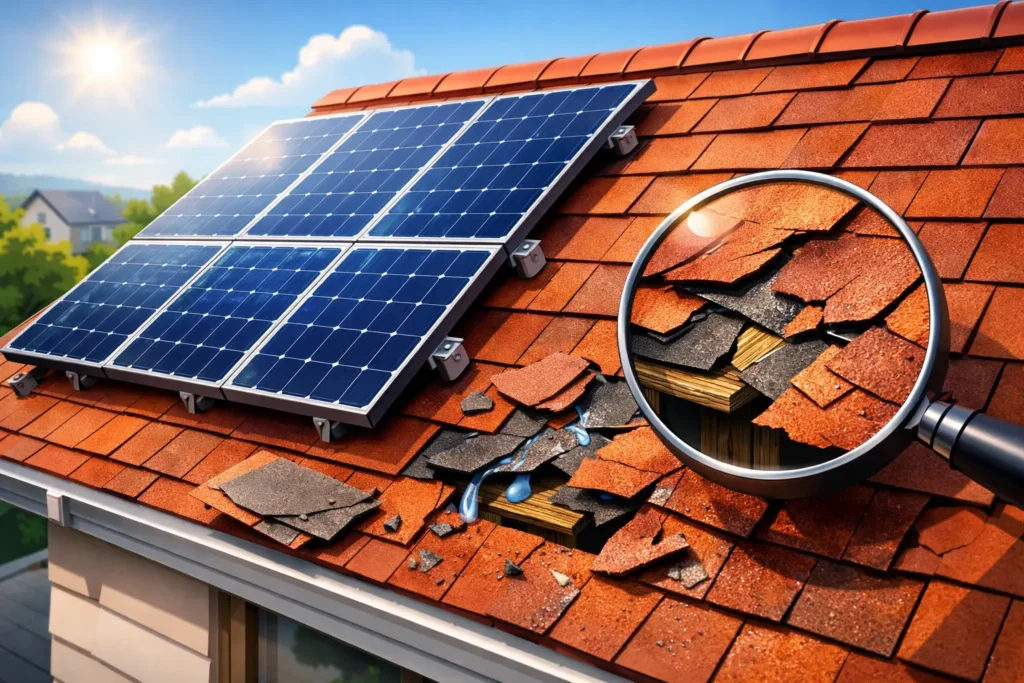
A lot of homeowners ask the same question right after getting a solar quote: can solar panels damage roof systems, or is that just something people say when they do not trust the installer? It is a fair concern, especially in Florida, where roofs take a beating from heat, rain, wind, and salt air. The honest answer is this: solar panels themselves usually do not damage a roof. Poor planning, bad installation, and putting solar on a roof that was already a problem can.
That distinction matters. A well-installed solar system on a sound roof can perform for decades without creating trouble. But if the roof is aging, the wrong attachment method is used, or flashing is handled carelessly, you can end up with leaks, structural stress, voided warranties, or repair work that costs more than expected.
Can Solar Panels Damage Roof Areas? Yes, but It Depends
Solar does not damage roofing by default. The risk comes from how the system is mounted, what condition the roof is in before installation, and whether the roofing contractor and solar installer are working together.
Most residential systems are attached with mounting hardware that penetrates the roofing material and anchors into the roof structure. When those penetrations are correctly placed, flashed, and sealed, they should remain watertight. When they are rushed or installed by crews who do not understand the roofing system underneath, that is where problems begin.
This is why one of the biggest mistakes a property owner can make is treating solar like an electrical project only. It is also a roofing project. If your roof is the barrier protecting the building envelope, every bracket, fastener, and flashing detail matters.
The Most Common Ways Solar Installations Cause Roof Problems
Leaks are the issue most people worry about, and for good reason. A roof leak may not show up the same week the panels go in. It can take months for water intrusion to appear around underlayment, decking, insulation, or interior ceilings. By then, it is harder to pinpoint whether the problem came from the original roof, the solar attachment point, or storm-driven rain finding a weak area.
Improper flashing is often the culprit. Good installers do not just run screws through shingles and cover them with sealant. Sealant alone is not a long-term waterproofing strategy, especially in Florida heat. Proper flashing and attachment methods are what keep water moving where it should.
Another issue is installing solar on a roof that is already near the end of its service life. If shingles are brittle, tile is cracked, metal panels are corroding, or a flat roof has active ponding and membrane wear, adding solar can lock in future problems. Then when the roof needs replacement a few years later, the solar system has to be removed and reinstalled, which adds cost and risk.
Weight can also be a factor, although it is less common than people think. Most modern roof structures can handle a properly designed solar array, but not every building is the same. Older homes, poorly repaired framing, and certain commercial roof assemblies may need structural review before installation. Skipping that step is asking for trouble.
Roof Type Matters More Than Many Homeowners Realize
Not all roofing systems respond to solar the same way. Asphalt shingle roofs are common for solar because they are relatively straightforward to work with, but they still need careful flashing and correct placement to avoid damage. Tile roofs can be more challenging because tiles can crack during foot traffic or mounting if handled carelessly. Metal roofs are often a strong match for solar, especially standing seam systems that can sometimes use clamp-based attachments with fewer penetrations.
Flat and low-slope roofs used on commercial buildings bring their own set of concerns. Drainage patterns, membrane compatibility, ballast versus attached systems, and wind uplift all need to be evaluated closely. In coastal Florida, that wind piece is not optional.
The right approach depends on the roof in front of you, not a one-size-fits-all solar package.
Can Solar Panels Damage Roof Shingles Specifically?
Yes, they can if the installer walks the roof carelessly, overdrives fasteners, breaks the weather seal around penetrations, or mounts the system on worn shingles that should have been replaced first. Shingles can also be damaged during future service visits if technicians are not trained to move across the roof without scuffing, cracking, or lifting tabs.
That said, solar panels can also protect the section of roof they cover from direct UV exposure and some weathering. So the relationship is not all negative. In some cases, the shaded roofing area ages more slowly than exposed sections. The trade-off is that any future roof inspection, repair, or replacement becomes more complicated because the panels are in the way.
This is why timing matters. If your shingle roof has only a few years left, it usually makes more sense to replace the roof before adding solar.
What Florida Homeowners Should Watch Closely
Florida roofs live under harsher conditions than roofs in many other states. Heavy rain, hurricane-season winds, intense UV exposure, and salty coastal air put every detail under pressure. A roof penetration that might hold up acceptably in a milder climate can become a weak point much faster here.
That is why code compliance, wind resistance, and material compatibility matter so much. It is also why coordination between trades matters. A solar company may know panel performance, but if they do not understand Florida roofing systems, underlayment behavior, fastening zones, or storm-related failure points, the homeowner carries the risk.
For coastal communities around Palm Bay and across Florida’s East Coast, this is not just about daily weather. It is about how the roof performs after the next major storm.
How to Reduce the Risk Before Solar Goes On
Start with a roof inspection, not a solar proposal. If the roof is in questionable condition, get that resolved first. Solar should go on a roof with enough remaining life to justify the investment.
Ask who is responsible for roof penetrations, flashing details, and any leak repairs after installation. Do not accept vague answers. If one company installs the roof and another installs the solar, make sure responsibilities are clear in writing. No surprises. No disappearing act.
You should also ask whether the solar mounting plan is tailored to your specific roof type and whether the installation could affect any existing roofing warranty. A strong contractor will explain this plainly, not bury it in fine print.
For many homeowners, the best path is working with a roofing company that understands solar-related integration, or at minimum one that can inspect and prepare the roof before the array goes on. Bear Roofing sees this often in Florida – the issue is rarely the panel itself. It is what happens when the roof is treated like an afterthought.
Signs Your Roof May Not Be Ready for Solar
If you already have missing shingles, active leaks, soft decking, damaged flashing, cracked tile, recurring repairs, or visible sagging, stop there. Solar will not fix those problems. It will make them harder and more expensive to address later.
Age matters too. If your roof is well into the second half of its expected life, it is worth comparing the cost of replacement now versus removal and reinstallation later. That is especially true for homeowners planning to stay in the property long term.
Commercial owners should take the same approach. If a flat roof is nearing the end of its service life, a roof restoration, coating system, or replacement may need to happen before any solar work begins.
The Real Answer to the Question
So, can solar panels damage roof systems? Yes, under the wrong conditions. But when the roof is in good shape, the structure is evaluated properly, and the mounting and flashing are handled by people who respect the roof as much as the solar equipment, the risk drops significantly.
The bigger concern is not whether solar is inherently bad for a roof. It is whether the project is being planned with the roof’s lifespan, weather exposure, and warranty protection in mind. That is where smart decisions save money.
If you are thinking about solar, make the roof the first conversation, not the last. A solid roof gives the system something worth mounting to, and it gives you a better chance of getting the energy savings you want without creating a new problem overhead.