
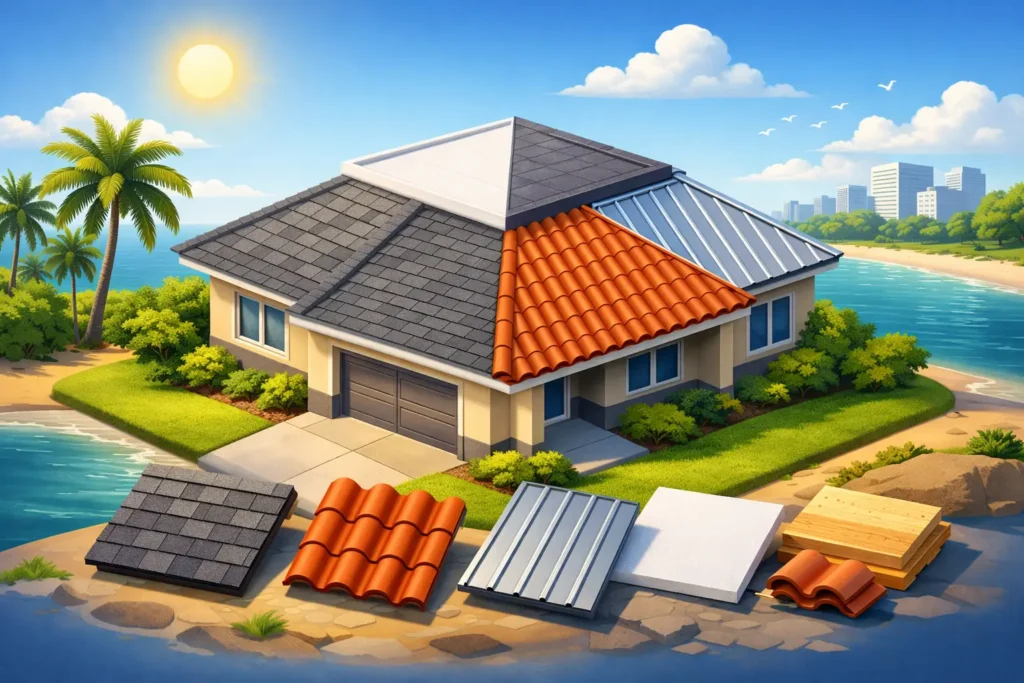
A roof that looks great on a showroom sample can still be the wrong roof for a Palm Bay property. Florida roofs take a daily beating from heat, UV exposure, wind-driven rain, hurricane-season storms, humidity, and, near the coast, salt air. The decision is not simply about picking a color or finding the lowest price. Knowing how to choose roofing materials means selecting a complete system that protects the structure, fits the building, meets local code, and holds up over time.
For homeowners, the right choice protects curb appeal, insurance eligibility, and resale value. For commercial property owners, it can mean fewer disruptions, lower maintenance demands, and more predictable operating costs. Start with the conditions your roof will actually face, then compare materials on performance instead of promises.
How to Choose Roofing Materials for Florida Conditions
The first question is not, “What is the best roofing material?” There is no single answer. A material that performs well on a steep-slope coastal home may not be suitable for a low-slope commercial building. Your roof’s pitch, framing, age, location, drainage, and local wind requirements all shape the right recommendation.
Florida’s climate makes water management and wind resistance non-negotiable. Heavy rain finds weak flashings, exposed fasteners, poor transitions, and inadequate drainage quickly. High winds test not only the roof covering but also the underlayment, attachment method, edge metal, vents, and flashing details beneath it. A strong roof is a system, not a stack of materials.
Start With the Roof Structure and Slope
A steep-slope residential roof can typically support shingles, metal panels, or tile, provided the structure and installation details are appropriate. Tile is heavier than shingles or many metal systems, so a contractor should confirm that the framing can safely handle the load before recommending it.
Low-slope and flat roofs require a different approach. Traditional shingles are not designed for areas where water drains slowly or can pond after a storm. Commercial buildings, additions, patios, and certain modern homes often need a low-slope system such as modified bitumen, TPO, PVC, or a roof coating solution. The best option depends on drainage, foot traffic, existing roof conditions, and whether the project is a repair, restoration, or full replacement.
Before choosing a material, have the roof inspected for deck condition, soft areas, ventilation, drainage paths, flashing failures, and evidence of prior leaks. Covering up a damaged deck or unresolved drainage problem is not a cost-saving move. It is an expensive problem delayed.
Compare the Main Roofing Material Options
Each roofing material brings real strengths and real trade-offs. A dependable contractor should explain both clearly, without steering every property toward the same product.
Asphalt Shingles
Architectural shingles remain a practical choice for many Florida homeowners. They offer broad color selection, familiar curb appeal, and a lower upfront cost than metal or tile. Modern shingles can also be installed with wind-rated systems that meet applicable local requirements.
The trade-off is lifespan and heat exposure. Shingles generally do not last as long as premium metal or tile systems, especially when exposed to relentless Florida sun and storm cycles. Material quality, attic ventilation, installation quality, and maintenance all affect performance. For a homeowner balancing budget, appearance, and reliable protection, shingles can be a sound choice when installed as part of a properly rated system.
Metal Roofing
Metal roofing is a strong fit for Florida properties because it can offer excellent wind performance, long service life, and resistance to sun exposure. Standing seam metal provides a clean, modern appearance with concealed fasteners, while exposed-fastener panels can be a more economical option for certain homes and outbuildings.
Metal can also reflect solar heat more effectively than darker, heat-absorbing roofing options, depending on the finish and color selected. That can support better energy performance, though it does not replace proper insulation and attic ventilation.
The upfront investment is higher than shingles, and coastal installations require careful material selection. Salt air can accelerate corrosion when the wrong panel, coating, fastener, or flashing material is used. Details matter. A lower bid is not a bargain if it leaves you with incompatible metals or poor fastening practices near the coast.
Tile Roofing
Concrete and clay tile offer distinctive Florida architecture, long-term durability, and strong curb appeal. Tile can be an excellent choice for homeowners who plan to stay in the home and want a premium look that supports property value.
However, tile is not maintenance-free. Individual tiles can crack from impact, foot traffic, or storm debris, and the underlayment beneath the tile is a critical part of the waterproofing system. Tile also adds substantial weight, so structure, attachment methods, and code compliance must be reviewed carefully. It is a premium solution that deserves premium installation discipline.
Low-Slope Membranes and Roof Coatings
For commercial properties and low-slope roof sections, membrane systems can provide dependable waterproofing across large areas. TPO and PVC membranes are commonly selected for their reflective surfaces and welded seams, while modified bitumen can be a durable option for specific applications.
A roof coating may be a smart solution when an existing roof is still structurally sound but needs renewed protection. Coatings can extend service life, improve reflectivity, and reduce tear-off waste in the right situation. They are not a cure for saturated insulation, failing seams, widespread leaks, or major structural damage. An honest assessment should determine whether restoration is appropriate or whether replacement is the safer long-term decision.
Account for Wind, Salt, Heat, and Insurance
Florida building codes and local wind requirements are not paperwork to handle after the material is selected. They should guide the selection from the beginning. The roof covering must be approved for the application, but that is only part of the picture. Proper nailing patterns, underlayment, flashing, edge details, and fastening specifications are just as important to storm performance.
If your property is close to the ocean or Indian River Lagoon, discuss corrosion resistance early. Salt exposure affects fasteners, flashing, vents, coatings, and metal panels. Choosing compatible components helps prevent premature staining, rust, and failure at the roof’s most vulnerable transitions.
Insurance can also influence the conversation. Some carriers consider roof age, material type, wind mitigation features, and permit documentation when underwriting or renewing coverage. Keep records of the roof installation, permits, material approvals, warranty information, and any wind-mitigation documentation. Good records make future insurance discussions less stressful.
Look Beyond the Initial Price
The lowest proposal rarely tells you the full cost of a roof. Compare what each estimate includes: tear-off, deck repairs, underlayment, flashing, ventilation, permit handling, disposal, cleanup, and warranty coverage. Two estimates may list the same material but represent very different roofing systems.
A roof with a higher upfront price may offer a longer useful life, better storm performance, reduced maintenance, or stronger energy benefits. On the other hand, paying for a premium material does not make sense if it is poorly matched to the property, unsupported by the structure, or outside the owner’s financial plan.
Financing can help homeowners avoid choosing a short-term patch simply because a full replacement feels out of reach. The goal is not to overspend. It is to choose a roof that delivers dependable value for the years you expect to own the property.
Choose the Installer Along With the Material
The material manufacturer matters, but installation quality determines whether that material performs as intended. Ask who will manage the project, how hidden deck damage is handled, what happens if rain arrives during tear-off, and whether permits and inspections are included. You should also understand the workmanship warranty in plain language.
At Bear Roofing, material recommendations are built around the property’s condition, Florida code requirements, storm exposure, and the owner’s priorities. No surprises. No disappearing act. A roof replacement should come with clear communication from inspection through cleanup, not unanswered questions after the crew leaves.
Color and style still matter, especially on residential properties. Consider the home’s exterior, neighborhood character, visible rooflines, and how the material will age in Florida sun. Lighter colors may help reduce heat absorption, while darker colors can create a stronger visual contrast. Choose the look you will be comfortable seeing every day, but do not let appearance outweigh drainage, wind resistance, and installation quality.
The right roof is the one that fits your building before it fits a brochure. A detailed inspection, a transparent estimate, and a contractor willing to explain the trade-offs will give you far more confidence than a quick material recommendation ever could.