
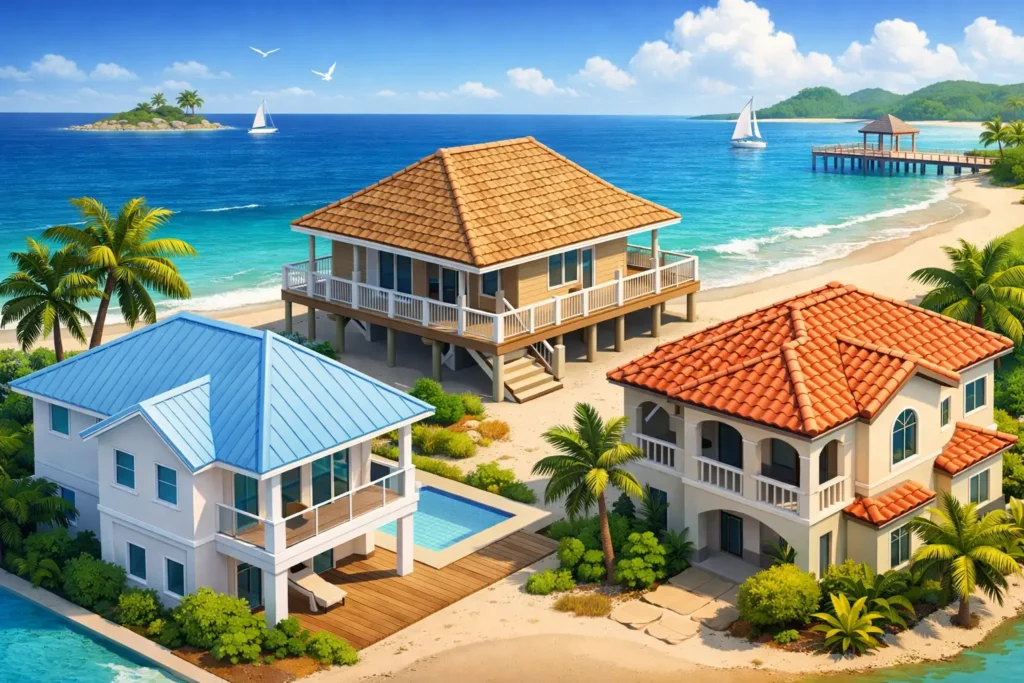
A Florida roof does more than keep rain out. It has to stand up to punishing sun, wind-driven storms, humidity, salt air near the coast, and sudden downpours that can expose even a small installation mistake. That is why choosing the best roof options for Florida means looking beyond color, upfront price, or what your neighbor installed.
For Palm Bay and East Coast Florida property owners, the right roofing system depends on your building design, budget, insurance requirements, location, and how long you plan to own the property. A roof that performs well in a sheltered inland neighborhood may need a different approach near the coast or on a building with a low slope. No surprises. No disappearing act. The right decision starts with a clear view of the trade-offs.
What a Florida Roof Must Handle
Florida roofing materials are tested every day, not just during hurricane season. UV exposure can dry, fade, and weaken materials over time. High humidity creates conditions for algae and moisture problems. Heavy rains challenge drainage details, flashing, and underlayment. Along the coast, salt-laden air can accelerate corrosion on certain metal components.
Wind is the biggest deciding factor for many owners. Florida building codes set strict requirements for wind resistance, fastening patterns, roof decking, and edge protection. However, code compliance is the baseline, not the entire decision. Material quality, proper ventilation, correct installation, and the condition of the deck underneath all affect how a roof performs when the weather turns.
A dependable contractor should evaluate the whole roofing assembly, not simply place new shingles or panels over an unresolved problem.
Best Roof Options for Florida Homes
Architectural Shingles: Practical, Versatile Protection
Architectural asphalt shingles remain one of the most popular roof choices for Florida homes. They offer a balanced combination of appearance, affordability, and proven performance when installed with a quality underlayment and a wind-rated system.
For homeowners replacing a standard shingle roof, architectural shingles are often the most straightforward option. They come in a wide range of colors and profiles, can complement many home styles, and typically cost less upfront than metal or tile. Modern options can also provide strong wind ratings when they are installed according to manufacturer specifications and local code.
The trade-off is lifespan. Florida heat and UV exposure are hard on asphalt, and shingles generally will not last as long as a well-maintained metal or tile roof. Darker colors may also absorb more heat. Still, for owners who want reliable protection, curb appeal, and a manageable investment, shingles can be an excellent choice.
Shingles make particular sense when the home has a steep-slope design, the budget is a major factor, and the owner wants a familiar material that is easy to repair after isolated damage.
Metal Roofing: Strong Performance in Heat and Wind
Metal roofing is one of the strongest long-term options for Florida properties, especially in coastal communities where wind, rain, and sun are constant concerns. Standing seam metal roofs, in particular, use concealed fasteners that reduce exposed points where water can work its way in over time.
A properly installed metal roof can offer excellent wind resistance, long service life, and energy benefits. Reflective finishes can help reduce heat absorption, which may support lower cooling demands in a hot Florida summer. Metal is also lightweight compared with tile, so it does not place the same structural load on the home.
Not all metal systems are equal. The panel profile, gauge, finish, fastener design, flashing details, and corrosion resistance matter. This is especially true near salt water. A low-grade or poorly installed metal roof can develop issues that have little to do with the material itself and everything to do with shortcuts.
The upfront investment is usually higher than shingles, but metal can be a smart fit for owners who plan to stay in their home for many years, want a clean architectural look, or prioritize long-term durability. It is also a strong option for commercial buildings with the right roof geometry.
Tile Roofing: Florida Style With Lasting Value
Tile roofs are a familiar part of the Florida landscape for good reason. Concrete and clay tile can deliver exceptional curb appeal, impressive longevity, and strong resistance to heat. They work especially well on Mediterranean, coastal, and upscale residential designs.
Tile is not a one-size-fits-all solution. It is heavier than shingles or metal, so the structure must be able to support the load. The underlayment beneath the tile is also critical. Tile may remain in place for decades, but underlayment, flashing, and fastening components can require attention sooner. A tile roof is only as dependable as the system below it.
Concrete tile is often a more budget-conscious route than clay tile, while clay may offer distinctive color retention and a premium appearance. Both can perform well in Florida when installed correctly. For homeowners who value long-term appearance and have a structure designed for the weight, tile can be a worthwhile investment.
Flat and Low-Slope Roofing: Built Around Drainage
Flat roofs are common on Florida commercial buildings, multifamily properties, additions, and contemporary homes. They are not truly flat. They need properly designed slope and drainage to move water away from the building before ponding causes damage.
For these roofs, membrane systems such as modified bitumen, TPO, PVC, or other low-slope materials may be appropriate depending on the building’s use, traffic needs, drainage design, and budget. A white or reflective membrane can help manage heat gain, while some systems offer strong resistance to standing water and chemical exposure.
The material matters, but the details matter more. Drains, scuppers, penetrations, parapet walls, seams, and edge metal are common areas where leaks begin. Commercial property owners should focus on a system that minimizes downtime and supports a practical maintenance plan, not simply the lowest initial bid.
Roof Coatings: A Smart Option for the Right Existing Roof
A roof coating can extend the service life of certain low-slope roofing systems when the existing roof is structurally sound and free of widespread trapped moisture. Coatings can create a reflective, protective surface that helps reduce heat exposure and reinforces waterproofing.
They are not a cure for a failing roof deck, saturated insulation, major seam failure, or ongoing drainage problems. Before choosing a coating, the roof needs a thorough inspection. Applied to the right roof at the right time, a coating may delay full replacement and reduce disruption. Applied over hidden damage, it can simply postpone a larger repair.
How to Choose the Right Material
Start with the roof’s shape and condition. Steep-slope homes often suit shingles, metal, or tile. Low-slope sections need a membrane or coating strategy built around water management. Next, consider exposure. A coastal home may benefit from materials and components selected specifically for salt-air conditions, while a heavily shaded lot may require stronger algae resistance.
Then weigh your timeline. If you expect to sell soon, architectural shingles may offer the appearance and protection you need without the higher investment of metal or tile. If this is your long-term home, a metal or tile system may make more financial sense over its service life.
Insurance is another factor. Wind mitigation features, roof age, documented permits, and code-compliant installation can all matter to insurers. A contractor familiar with Florida claims and building requirements can explain what is repairable, what may require replacement, and what documentation should be preserved.
Installation Is Part of the Roofing System
The best material cannot overcome poor workmanship. Florida roof replacement should include a close look at decking, underlayment, flashing, ventilation, fasteners, and water-shedding details around valleys, chimneys, walls, and penetrations. These are the areas that often determine whether a roof stays dry during a hard storm.
Ask clear questions before work begins: What wind-rated system is being installed? Will damaged decking be documented? How will landscaping and cleanup be handled? What warranty covers the workmanship, not just the material? A transparent scope of work protects the owner as much as the roof itself.
Bear Roofing helps Florida homeowners and commercial property owners make those decisions with local code knowledge, clear communication, and end-to-end project management backed by a lifetime workmanship warranty.
Your roof should fit the property, the weather exposure, and the years ahead. A careful inspection and an honest material conversation now can prevent a rushed decision after the next major storm.