
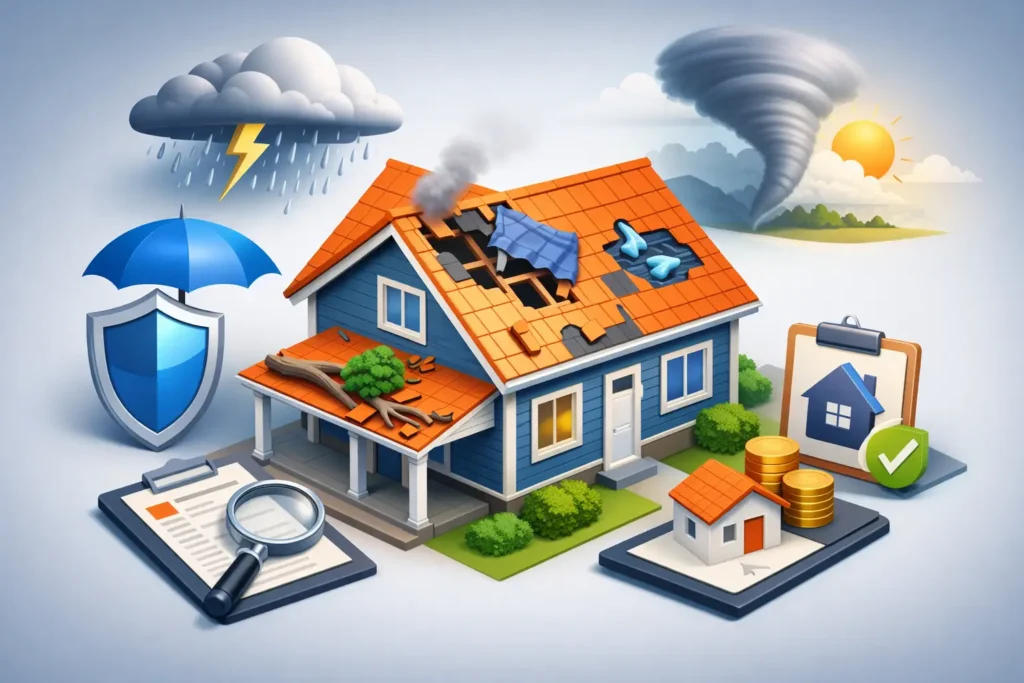
A roof starts leaking after a Florida storm, and the first question is usually not about shingles or underlayment. It is simpler than that: can insurance cover roof damage? The honest answer is yes, sometimes – but coverage depends on what caused the damage, how old the roof is, how the policy is written, and whether the insurer sees a sudden event or a maintenance problem.
That distinction matters more than most property owners realize. In Florida, roofs take a beating from wind, rain, heat, salt air, and flying debris. Insurance companies know that. They also look closely at whether the damage came from a covered event or from wear that built up over time.
When can insurance cover roof damage?
Most homeowners and commercial property policies are designed to cover sudden, accidental damage caused by a named peril or a covered loss. For roofs, that often means wind damage, hail, falling tree limbs, fire, or impact from storm debris. If a storm tears shingles loose, opens flashing, or causes water intrusion right after the event, that is the kind of situation that often qualifies for a claim.
The key word is sudden. Insurance is generally there for unexpected damage, not for an aging roof reaching the end of its life. If the roof was already brittle, poorly maintained, or leaking for months before the storm, the carrier may argue that the storm exposed an existing issue rather than caused it.
This is where many claims get complicated. A roof can have both storm damage and age-related wear at the same time. That does not automatically mean the claim should be denied, but it does mean documentation matters. Photos, inspection notes, weather dates, and a professional assessment can make a real difference.
What roof damage is usually covered
In many cases, insurers will consider coverage when the roof is damaged by a single, identifiable event. Wind is one of the biggest examples in coastal Florida. Strong gusts can lift shingles, crease tabs, loosen ridge caps, damage tile attachments, or drive rain into vulnerable roof areas.
Hail, while less frequent in some parts of Florida than wind, can also create legitimate covered damage. The same goes for a tree limb falling onto the roof or debris puncturing a flat roofing membrane.
Fire damage is another common covered cause. So is damage from a lightning-related event if it affects roofing components. Some policies may also cover certain water damage resulting from a covered roof event, though the source and timing of the leak still matter.
If your roof was in serviceable condition before the event and the damage clearly followed a storm or another covered cause, your chances are generally stronger.
What insurance often does not cover
This is where expectations need to stay realistic. Insurance usually does not pay to replace an old roof simply because it is worn out. Normal aging, long-term deterioration, poor installation, deferred maintenance, and repeated leakage are frequent reasons for denial or reduced payment.
For example, cracked sealant around flashing, rusted metal components, brittle shingles from years of sun exposure, and rot caused by chronic moisture are often treated as maintenance issues. The insurer may say the roof failed because it was already compromised.
That can be frustrating, especially when a storm made the problem obvious. But from the carrier’s point of view, there is a difference between a storm creating damage and a storm revealing damage that was already there.
Mold, interior staining, and structural deterioration can also become harder to claim if they developed gradually. The longer the issue sits, the more likely the insurance company is to say the property owner had a duty to mitigate damage.
Florida roof claims have extra pressure points
Florida property owners deal with a tougher insurance environment than most of the country. Carriers have tightened underwriting, policy language has become more specific, and roof age gets a lot of attention. Some policies now limit payment based on roof age, roof surface type, or actual cash value instead of full replacement cost.
That means even when insurance covers roof damage, the amount paid may not be what the owner expects. A policy with replacement cost coverage can be very different from one that pays actual cash value. Replacement cost is intended to help cover what it costs to repair or replace with similar materials, subject to the deductible and policy terms. Actual cash value factors in depreciation, which can reduce the payout substantially on an older roof.
This is one reason Florida owners should review policy details before storm season, not after a leak starts. Knowing whether the roof is covered for replacement cost, whether there are hurricane or windstorm deductibles, and whether exclusions apply can prevent surprises.
How to tell if your damage is claim-worthy
Not every missing shingle means a full claim, and not every leak means you should avoid filing one. The right move depends on severity, cause, and cost.
If the damage happened right after a storm, affects a meaningful section of the roof, or creates active leaks, it is worth having the roof inspected promptly. The same is true if you can see lifted materials, exposed underlayment, dented metal, broken tile, or impact from debris. Commercial properties should act just as quickly, especially with flat roofs where membrane punctures and seam failures can spread water fast.
On the other hand, if the issue is minor and the repair cost is close to or below your deductible, a claim may not make financial sense. That is not a legal or insurance rule – it is just practical. Filing a claim for very limited damage may not help much if the deductible absorbs most of the cost.
What to do right after roof damage
Start by protecting the property from further harm. If water is entering the building, temporary tarping or emergency dry-in measures may be necessary. Do not wait days while the ceiling gets worse. Most policies require reasonable steps to prevent additional damage.
Next, document what you can safely see. Take photos of missing shingles, fallen branches, interior leaks, ceiling stains, wet insulation, or anything else tied to the event. Write down the date of the storm or incident and keep records of emergency services or temporary repairs.
Then get a professional roof inspection. A trained contractor can identify storm-related damage that is easy to miss from the ground, especially on tile, metal, or low-slope roofing systems. They can also separate cosmetic wear from functional damage, which is often where claims are won or lost.
After that, notify your insurance company and follow the claims process carefully. Give accurate information, stay organized, and avoid guessing about what happened if you are not sure. Clear facts are better than broad assumptions.
Why inspection quality matters in roof claims
Roof claims are not just paperwork. They are evidence-driven. A weak inspection can miss wind creasing, fastener pull-through, underlayment failure, damaged flashing, or punctures around roof penetrations. If those details are overlooked early, the claim can be undervalued or denied.
A strong roofing inspection should connect the visible damage to the likely cause, identify the affected roofing components, and explain whether spot repair is realistic or whether the system has broader compromise. That matters on residential roofs and even more on commercial buildings where water can travel far from the original point of entry.
An experienced Florida contractor also understands local code considerations. In some cases, code-related upgrades may affect the scope of repair or replacement. That does not mean every roof qualifies for a full replacement, but it does mean the repair conversation should be grounded in current code and actual roof condition.
Can insurance cover roof damage if the roof is old?
Yes, but age makes the claim harder. An older roof is not automatically excluded from coverage, but insurers are more likely to scrutinize condition, maintenance history, and depreciation. If a 17-year-old shingle roof suffers clear wind damage from a recent storm, coverage may still apply. If that same roof already had widespread granule loss, prior leaks, and brittle shingles, the carrier may argue that age is the primary problem.
This is where honest assessment matters. No surprises. No disappearing act. Property owners need a straight answer on whether the damage appears storm-driven, maintenance-related, or a mix of both.
The bottom line for Florida property owners
If you are asking whether can insurance cover roof damage, the better question is this: what caused the damage, and can you prove it? Insurance is most likely to help when the roof was in reasonable condition before a sudden covered event. It becomes much less reliable when the roof shows long-term neglect, installation defects, or age-related failure.
That is why speed, documentation, and the right inspection matter so much. Whether you own a home in Palm Bay or manage a commercial building along Florida’s East Coast, the smartest move is to address damage early, protect the property, and get clear answers before small issues turn into expensive ones.
A roof problem is stressful enough. The process should not feel like guesswork.